มจพ. เทคโนพาร์ค ขับเคลื่อนอนาคตยั่งยืนด้วยโครงสร้างพื้นฐานอัจฉริยะและวิทยาเขตสีเขียว
มจพ. เทคโนพาร์ค ขับเคลื่อนอนาคตยั่งยืนด้วยโครงสร้างพื้นฐานอัจฉริยะและวิทยาเขตสีเขียว
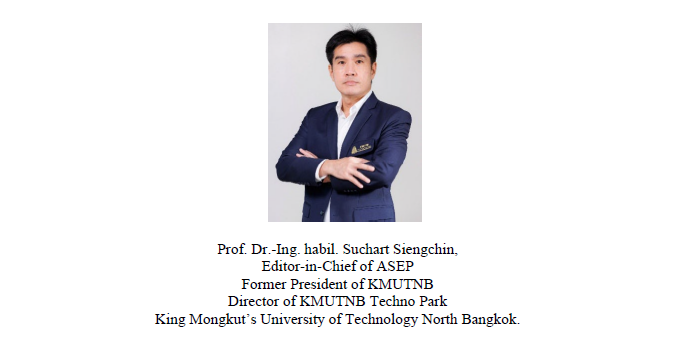
ศาสตราจารย์ ดร.-Ing. habil. สุชาติ เซี่ยงฉิน ผู้อำนวยการ KMUTNB Techno Park และอดีตอธิการบดีมหาวิทยาลัยเทคโนโลยีพระจอมเกล้าพระนครเหนือ (มจพ.) ได้นำเสนอแนวคิดการพัฒนาเทคโนพาร์คมหาวิทยาลัยอย่างยั่งยืนผ่านบทความเรื่อง “Advancing Sustainable University Technoparks through Smart Infrastructure and Green Campus Development: A Review of SDG-Oriented Strategies” ซึ่งเผยแพร่ในวารสาร Applied Science and Engineering Progress
บทความสะท้อนบทบาทของ KMUTNB Techno Park ที่ก้าวไกลกว่าการถ่ายทอดเทคโนโลยีและต่อยอดผลงานวิจัย สู่การเป็นพื้นที่ต้นแบบที่เชื่อมโยงนวัตกรรม เทคโนโลยี และความยั่งยืนเข้าด้วยกัน
หนึ่งในแนวคิดสำคัญ คือการพัฒนาเทคโนพาร์คให้เป็น “ห้องปฏิบัติการมีชีวิต” หรือ Living Laboratory ที่เปิดโอกาสให้นักวิจัย นักศึกษา ผู้ประกอบการ ภาคอุตสาหกรรม ภาครัฐ และชุมชน ร่วมกันทดลองและพัฒนาแนวทางแก้ไขปัญหาในสถานการณ์จริง ตั้งแต่การใช้ AI และ IoT เพื่อบริหารจัดการพลังงานและทรัพยากร ไปจนถึงการพัฒนาอาคารประหยัดพลังงาน ระบบขนส่งอัจฉริยะ การจัดการน้ำและของเสีย ตลอดจนการอนุรักษ์พื้นที่สีเขียวและความหลากหลายทางชีวภาพ
บทความยังชี้ให้เห็นว่า การพัฒนาเทคโนพาร์คอย่างยั่งยืนไม่ได้อาศัยเทคโนโลยีเพียงอย่างเดียว แต่ต้องขับเคลื่อนด้วยความร่วมมือจากทุกภาคส่วน ควบคู่กับการดำเนินงานตามเป้าหมายการพัฒนาที่ยั่งยืนขององค์การสหประชาชาติ ทั้งด้านการศึกษา พลังงานสะอาด นวัตกรรม เมืองและชุมชนยั่งยืน การผลิตและการบริโภคอย่างรับผิดชอบ การรับมือการเปลี่ยนแปลงสภาพภูมิอากาศ และความร่วมมือเพื่อการพัฒนา
บทความนี้จึงไม่เพียงตอบคำถามว่า “เทคโนพาร์คในอนาคตควรมีหน้าตาอย่างไร” แต่ยังชวนให้มองต่อไปว่า มหาวิทยาลัยจะเปลี่ยนพื้นที่ องค์ความรู้ และเทคโนโลยี ให้กลายเป็นพลังสำคัญในการสร้างสังคมที่ฉลาดขึ้น เขียวขึ้น และพร้อมรับมือกับการเปลี่ยนแปลงในอนาคตได้อย่างไร
อ่านบทความฉบับเต็มได้ที่ Applied Science and Engineering Progress, Vol. 20, No. 1, 2027, Article 8267 DOI: 10.14416/j.asep.2026.07.002
KMUTNB Techno Park Drives a Sustainable Future through Smart Infrastructure and Green Campus Development
Prof. Dr.-Ing. habil. Suchart Siengchin, Director of KMUTNB Techno Park and former President of King Mongkut’s University of Technology North Bangkok (KMUTNB), has presented a vision for the sustainable development of university technoparks in his article entitled “Advancing Sustainable University Technoparks through Smart Infrastructure and Green Campus Development: A Review of SDG-Oriented Strategies,” published in the journal Applied Science and Engineering Progress.
The article highlights the evolving role of KMUTNB Techno Park, extending beyond technology transfer and research commercialization to become a model platform that integrates innovation, technology, and sustainability.
One of the article’s key concepts is the development of technoparks as “Living Laboratories,” where researchers, students, entrepreneurs, industry partners, government agencies, and local communities can collaboratively test and develop practical solutions in real-world settings. These initiatives range from the use of artificial intelligence (AI) and the Internet of Things (IoT) to manage energy and resources more efficiently, to the development of energy-efficient buildings, smart transportation systems, water and waste management, and the conservation of green spaces and biodiversity.
The article also emphasizes that sustainable technopark development cannot rely on technology alone. It must be driven by collaboration among all sectors and aligned with the United Nations Sustainable Development Goals, including quality education, clean energy, innovation, sustainable cities and communities, responsible consumption and production, climate action, and partnerships for sustainable development.
The article therefore not only addresses the question, “What should the technopark of the future look like?” but also invites readers to consider how universities can transform their spaces, knowledge, and technologies into a powerful force for building societies that are smarter, greener, and more resilient to future change.
Read the full article in: Applied Science and Engineering Progress, Vol. 20, No. 1, 2027, Article 8267 DOI: 10.14416/j.asep.2026.07.002